


 Categories



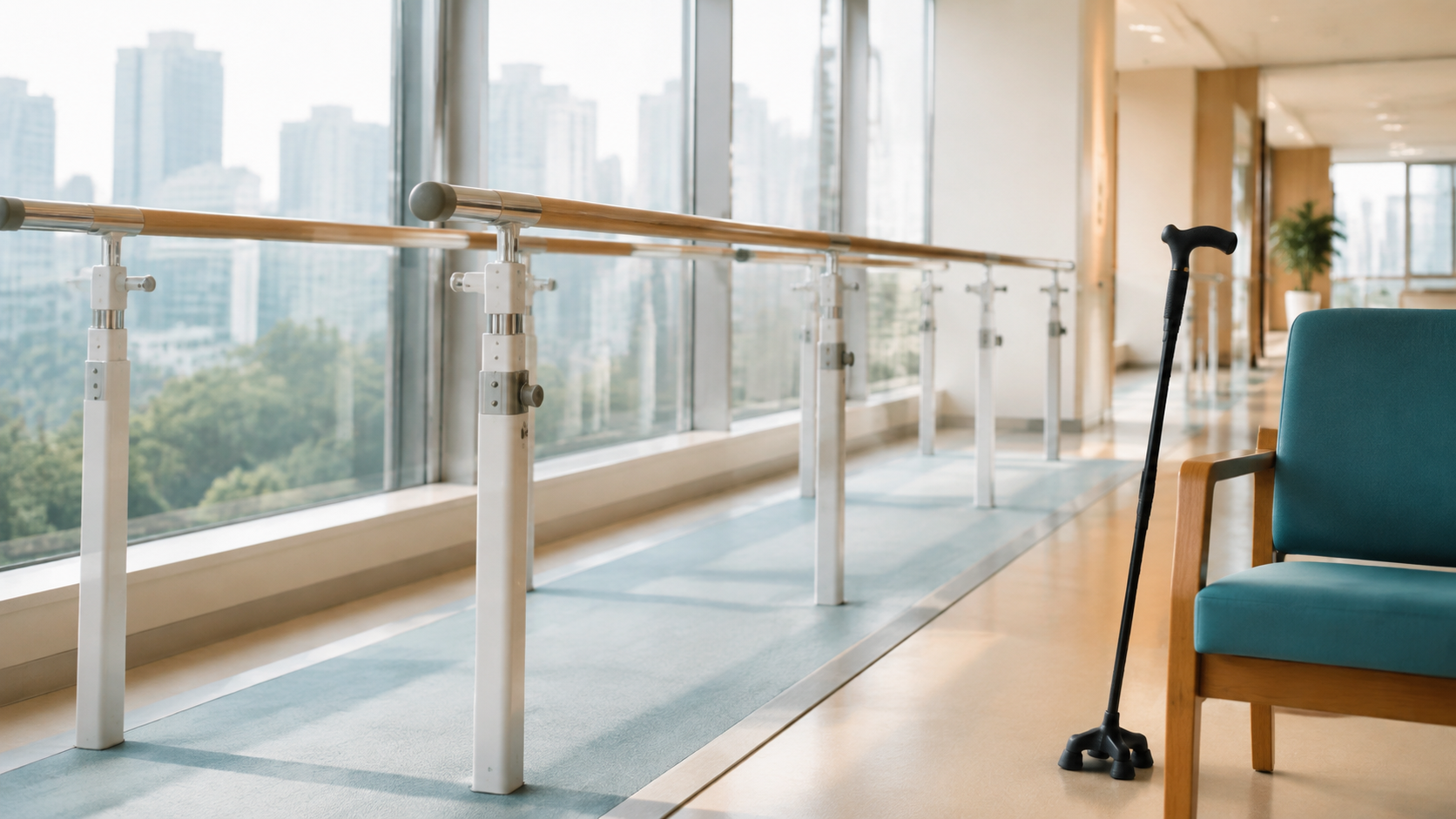
There is no single best temporary housing option for every medical patient. A room near a hospital may be useful for a short outpatient visit, while a serviced apartment may be more practical for a longer stay with a caregiver. After a procedure, however, the right choice depends first on the discharge plan, mobility, supervision, medication routine and access to follow-up—not on photos or a low nightly price. This guide is for planning a medical trip to China; it does not diagnose anyone or decide whether a patient is fit to travel.
Start with the clinical timeline
Ask the treating facility to describe the expected schedule in plain language: arrival and assessment, tests, treatment if any, observation, discharge, review appointments and the earliest safe return journey. The U.S. Centers for Disease Control and Prevention advises medical travellers to identify where they will be staying immediately after a procedure and to arrange follow-up before travelling. That means the accommodation decision should be made with the hospital’s plan, not before it.
Separate three periods. Before care, the priority may be reliable transport and a quiet place to organise records. During outpatient care, a short walk or simple taxi route may matter most. After a procedure, the patient may need a lift, a step-free entrance, help with meals or medicines, an adult companion and enough time for an unplanned review. A qualified clinician must say what level of support is needed.
Compare the main housing options
- Hotel near the hospital: often convenient for a short stay, reception support and daily housekeeping. Check lift access, bathroom layout, distance to the actual clinic entrance, late check-in, a quiet room, storage for medicines and whether a companion can stay. “Near the hospital” may still mean a steep route, a busy crossing or a different campus.
- Serviced apartment: can offer a kitchenette, refrigerator, washing machine and more space for a caregiver during a longer stay. Confirm whether the building has a lift, accessible bathroom, safe flooring, reliable heating or cooling, a suitable bed height, and a clear policy for cleaning or maintenance. A kitchen is useful only if the patient can safely use it or a caregiver can do so.
- Hospital-linked lodging or patient residence: some facilities may know local appointment routes or offer transport, but availability, eligibility, clinical supervision and emergency response vary. Treat it as accommodation unless the provider clearly explains what care is actually included. Do not assume that a hospital-branded residence is a substitute for nursing or rehabilitation.
- Clinically supervised recovery or rehabilitation setting: may be considered when a qualified team says the patient needs structured support, equipment or therapy. This is a care decision, not a hotel upgrade. Confirm licensing, staffing, scope, transfer arrangements and who is responsible outside scheduled sessions.
Use a patient-centred checklist before booking
Ask the hospital and the accommodation provider the same practical questions. Can the patient reach the bed and bathroom without stairs? Is there a lift large enough for mobility equipment? Can a car stop at an accessible entrance? Is the room quiet enough to rest? Can food, water and medicines be stored safely? Is a caregiver allowed to stay overnight? What happens if the appointment or discharge date changes? Can the booking be extended without losing the room or paying an unclear penalty?
Confirm the exact address in the local language, the hospital campus, the travel time at appointment hours, and a backup route. Save the phone numbers for the accommodation, hospital international office, local emergency service and the person coordinating the trip. Keep copies of the booking, insurance terms, identification and medical records in a secure place. Do not send a full medical history to a property host unless a qualified healthcare provider has explained why it is needed.
Safety, recovery and return travel
NHS guidance says that after surgery the support and equipment a person needs should be considered before discharge; it also notes that an adult may need to be available for at least 24 hours after a general anaesthetic or epidural. Hospital discharge planning should cover transport, medicines, equipment, follow-up and help after leaving. A private room alone does not provide those services.
The CDC also warns that travel after surgery can raise the risk of blood clots and that follow-up or emergency care may be costly or not covered. Do not set a non-refundable return flight only because a booking site shows a cheaper fare. Ask the treating clinician when travel is medically acceptable, what symptoms require urgent review, and whether the hospital will see the patient again before departure. If the patient becomes seriously unwell, use local emergency services rather than waiting for a hotel, facilitator or international clinic to respond.
Questions to confirm with qualified providers
- What level of mobility, supervision and caregiver support is expected after this specific procedure or treatment?
- Is the planned lodging appropriate for the discharge instructions, and who will reassess the plan if recovery changes?
- Where is the nearest suitable emergency department, and how will transport be arranged?
- Which follow-up visits, tests, medicines and records are included, and which are separate?
- What insurance exclusions, deposits, cancellation rules or extra charges apply if the stay must be extended?
- When can the patient safely travel home, and what records should be collected before leaving China?
A good temporary home is therefore the option that matches the clinical plan, can be reached safely, supports the caregiver and remains flexible if the timetable changes. Verify every detail directly with the licensed medical provider and the accommodation operator before paying or travelling.

 2026-09-29