


 Categories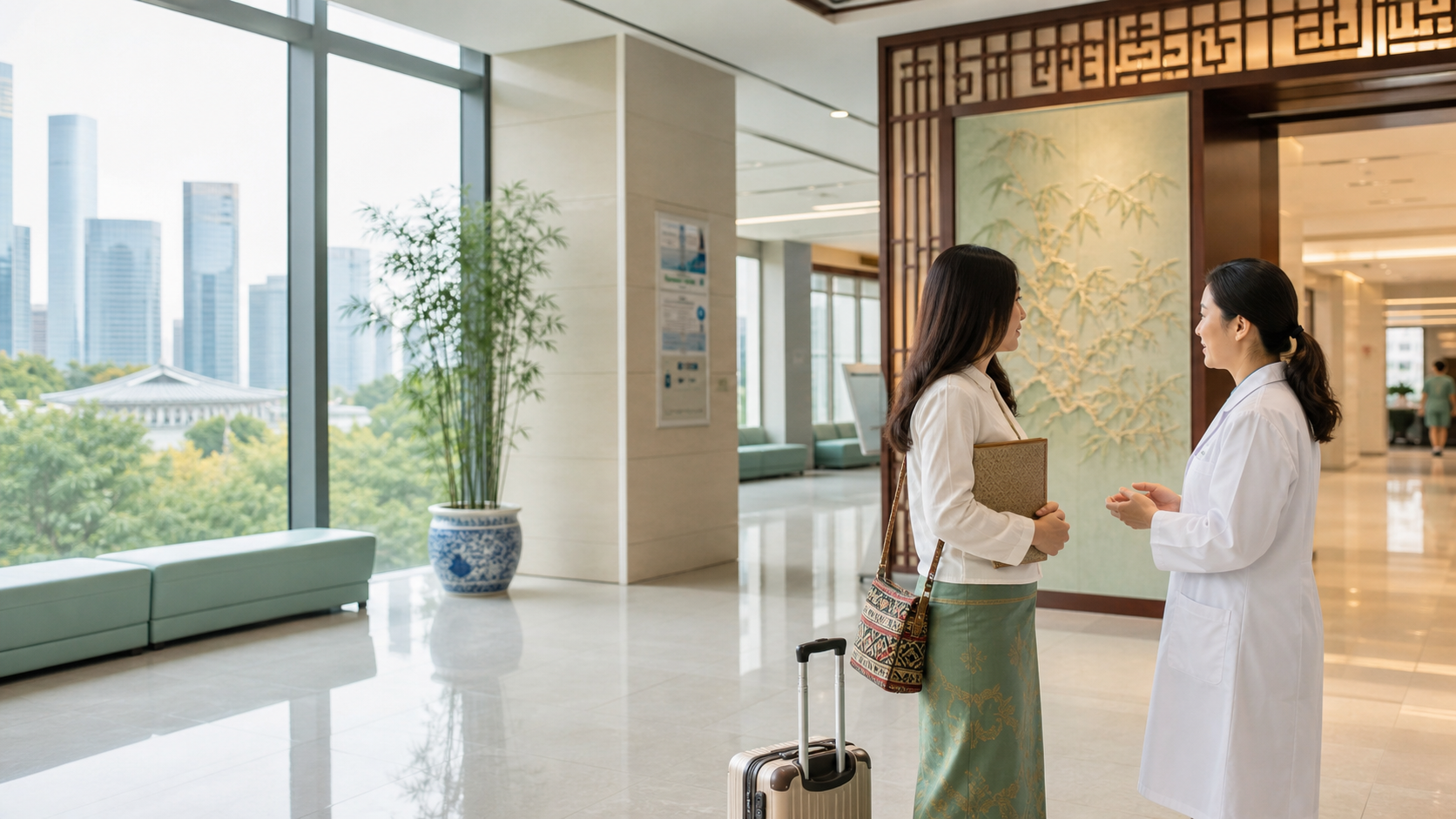


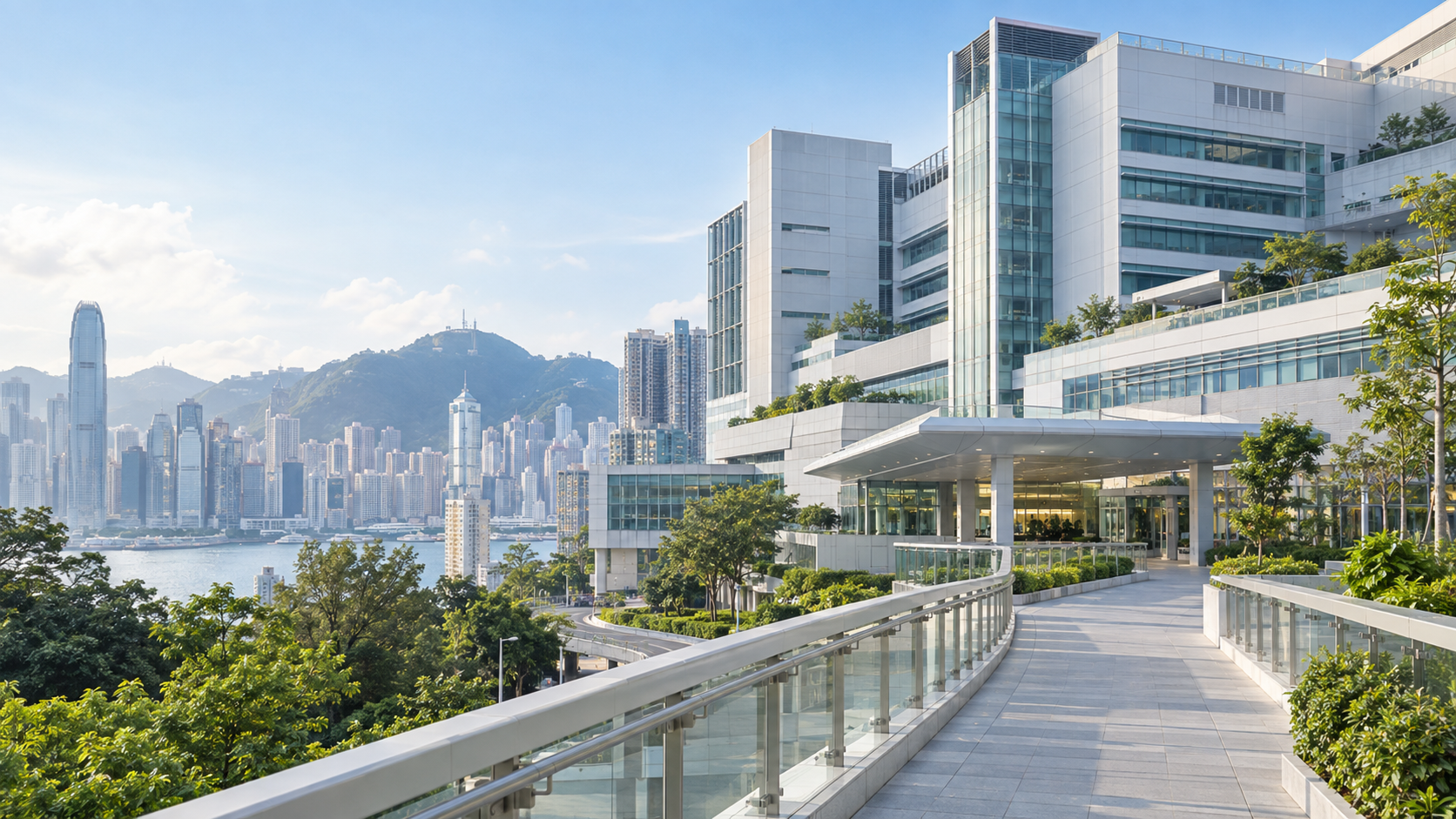
When a patient says that treatment was “very effective,” the phrase can be meaningful and still require careful interpretation. Some people can stand soon after knee replacement, while others need a longer rehabilitation period or experience complications. This article compares two publicly reported experiences of Hong Kong patients who sought knee care in Shenzhen. It is a reported patient-story summary, not a hospital endorsement or a promise of outcome.
The two patients described below are different people. The reports do not provide complete medical records or independent long-term follow-up. Diagnosis, surgical indication, price, risk and recovery cannot be transferred from their stories to another patient.
Experience one: treating pain in the other knee
Hong Kong media reported in 2023 that a Hong Kong man, described as being about 68, had lived with pain in both knees for many years. Walking and stairs had become difficult. He had already received a knee replacement in Hong Kong, but the other knee later became more troublesome. The reports said that he considered the long public-hospital wait and went to the joint-surgery service at The University of Hong Kong-Shenzhen Hospital after a friend’s recommendation.
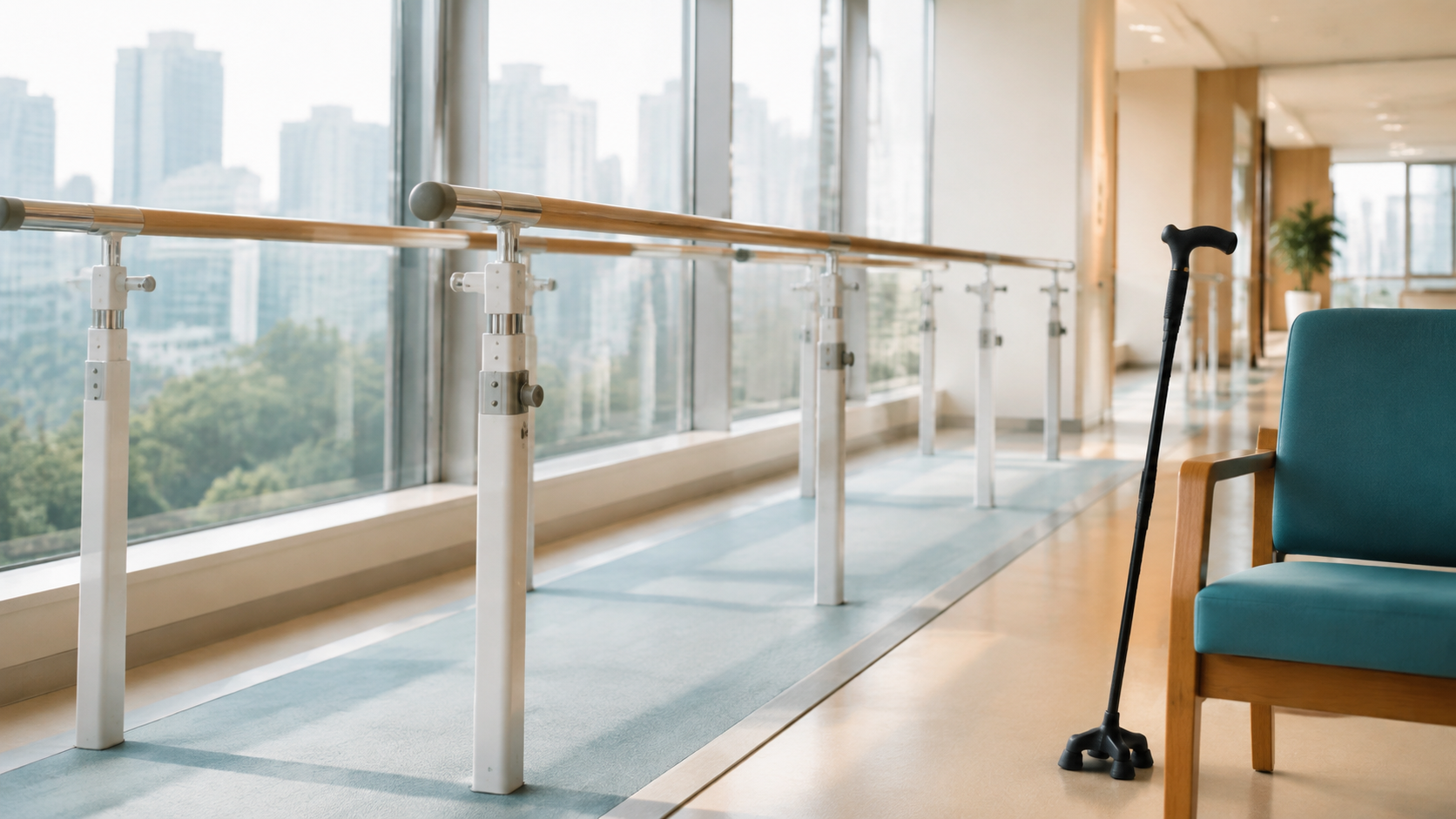
The reported pathway included an outpatient assessment, admission, pre-operative checks and replacement of the other knee. The patient told reporters that he could get out of bed with assistance on the day of surgery and began practising in the ward corridor the next day. He later returned to Hong Kong for follow-up. Those are his recollections from that episode; they do not mean that every patient will walk or leave hospital on the same schedule.
The same reports mentioned a cost in the range of tens of thousands of Hong Kong dollars, but the figures and wording were not identical between outlets. A cross-border quote may or may not include the implant, imaging, medication, room, rehabilitation, translation and transport. A media estimate from a particular year is not a current written quotation.
Experience two: replacement after years of work-related deterioration
Hong Kong Commercial Daily and related coverage described another patient, Mr Lin, in 2024. He was reported to be about 53 and had worked on construction sites for many years. His knee pain had lasted six or seven years, then worsened over the previous half-year with visible deformity in both knees. He considered surgery in Hong Kong and, after weighing waiting time and private-care costs, travelled to Shenzhen Qianhai Taikang Hospital for assessment.
The report said that he received imaging and surgical planning after admission, followed by knee replacement involving the Shenzhen team and joint specialists from the First Affiliated Hospital of Sun Yat-sen University. A rehabilitation therapist guided activity from the second post-operative day, and the hospital stay plus early rehabilitation took about a week. The report mentioned follow-up after discharge, but it did not provide a long-term functional score that could represent all patients.
The story may appeal to Hong Kong readers because of travel distance, Cantonese communication and cooperation between teams. Convenience is not the same as suitability, however. Being able to walk soon after surgery does not mean that a knee is fully recovered. Replacement still involves risks including infection, clotting, anaesthesia, wound problems, implant problems and insufficient rehabilitation. The indication must be assessed by a qualified clinician who understands the patient’s history and imaging.
Turn “effective” into questions that can be checked
If you are considering Shenzhen because of knee pain, do not ask only how many days it takes to stand. Ask how the clinician identified the pain source, whether appropriate non-surgical care has been tried, whether the imaging matches the symptoms, and which function the operation is expected to improve. Knee pain can also come from tendons, the meniscus, the hip, the spine or another condition; not every painful knee is a candidate for replacement.
Before booking, ask for written information about the surgeon and team, the implant and its price, expected length of stay, anaesthesia, infection and clot management, physical therapy, and the plan for follow-up after returning to Hong Kong. Ask who to contact urgently for fever, wound drainage, sudden breathlessness or a swollen calf. Bring previous images, reports, operation notes, medicines and allergy information.
Cost and rehabilitation need more than one number
Prices quoted in news coverage belong to a particular patient, year and hospital. They are not a standard Shenzhen knee-replacement price. A formal quotation should explain implants, tests, anaesthesia, surgery, room, medicine, rehabilitation, image copies, translation and extra nights, as well as the currency, payment and refund rules.
Rehabilitation also needs a cross-border plan. A patient may need a walker, family support, wound care, physiotherapy and gradual increases in activity. Before leaving Shenzhen, record which doctor will read the operation report in Hong Kong, who will handle a complication and when the next review is due. If a service emphasises speed and low cost but does not explain risk and aftercare responsibility, pause and compare.
What these two stories can and cannot show
The reports show why some Hong Kong residents include Shenzhen in their comparison of knee-care options: distance, waiting time, team access and expected cost. They also show why “very effective” is not enough as a decision rule. A safer comparison asks whether the diagnosis is clear, alternatives have been discussed, the quotation is complete, rehabilitation is continuous and the patient understands the risks.
This article does not diagnose knee pain, recommend a particular hospital or guarantee surgery. If knee pain is suddenly accompanied by inability to bear weight, marked heat or swelling, chest pain, breathlessness or another acute symptom, seek local urgent medical assessment rather than delaying care for a cross-border appointment.
Sources
- Multiple Hong Kong patients complete knee replacement at HKU-Shenzhen Hospital — Hong Kong Commercial Daily
- Hong Kong older patients complete knee replacement in Shenzhen after a short wait — Wen Wei Po
- Hong Kong man with years of knee pain receives an artificial knee in mainland China — Yangcheng Evening News

 2026-09-29