


 Categories

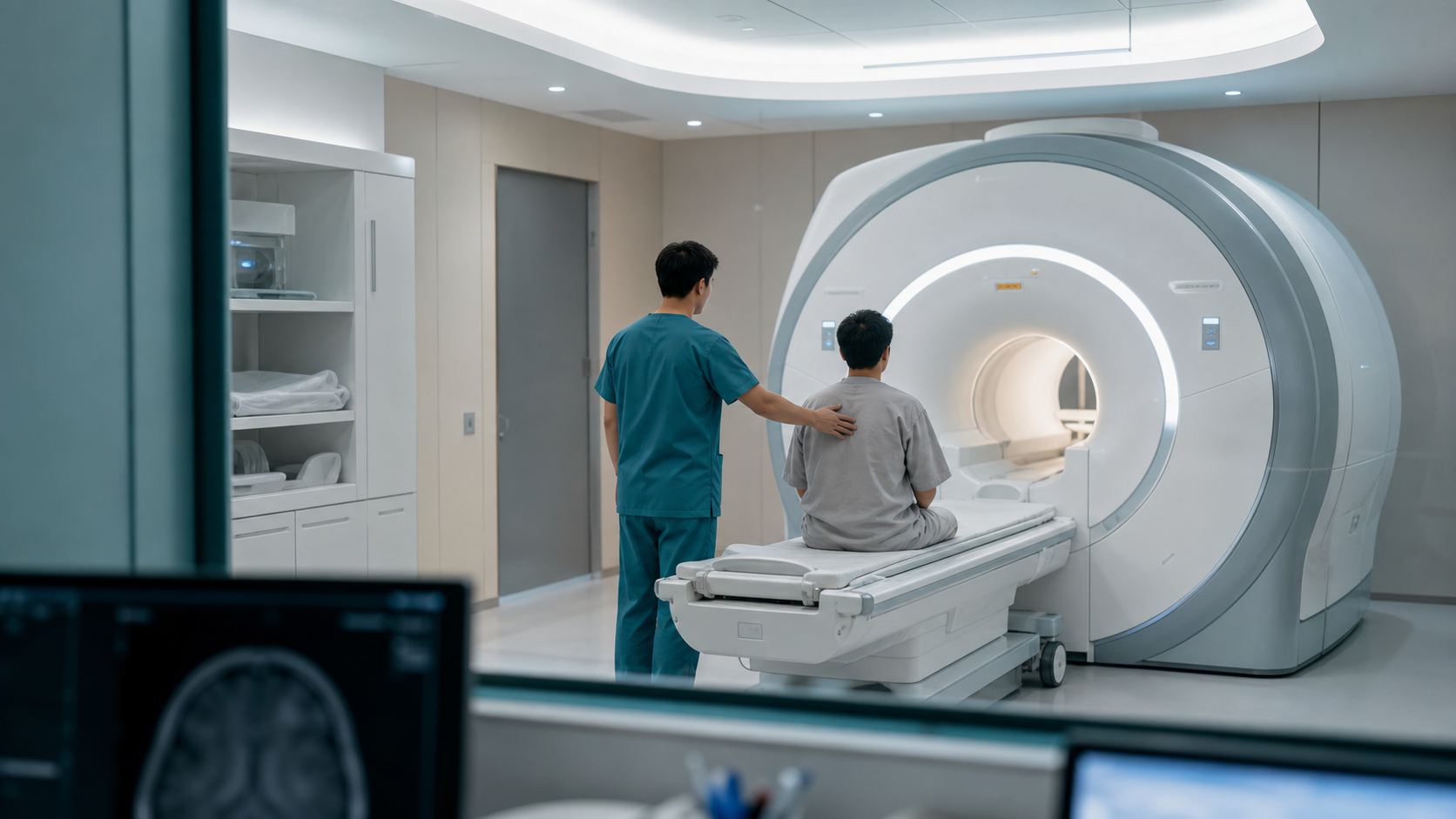
People sometimes hear me speaking slowly and assume I have been drinking. I have not. My pace of speech, slower reactions and the way tiredness sometimes affects me are connected to a brain injury I sustained years ago. This is not a third-person recap of a video. It is my direct account of returning for a brain MRI in Shenzhen: why I went, what happened in the hospital, how the doctor explained the images to me and which limits still mattered after I felt relieved.
This was one person's visit. It does not mean that every hospital in China, every MRI examination or every patient will have the same process, price or outcome. Imaging and follow-up decisions must be interpreted by qualified clinicians who know the patient's history.
The boxing injury that changed my work and daily life
I boxed as an amateur from roughly the age of 23 until I was 29. I fought on some reasonably large shows, including Navy events, but close to the age of 30 a serious brain injury abruptly ended that part of my life. The scans at the time showed two areas of bleeding in my brain. The injury also left me with a loss of peripheral vision in my left eye. The blind area means that I can miss people or objects beside me, which made the window fitting, maintenance and construction work I had done for 13 years unsafe.
Life moved on, but the effects did not disappear. I still experience occasional headaches. My mood and mental state can go up and down, and when I am tired, overwhelmed or in a crowded place, speaking and processing information can become slower. Those are my descriptions of symptoms, not a new diagnosis. Five years had passed since my previous MRI in the United Kingdom. I wanted to know how the old injury now looked on imaging and whether there was anything new that required urgent attention.
Correctly identifying the hospital mattered
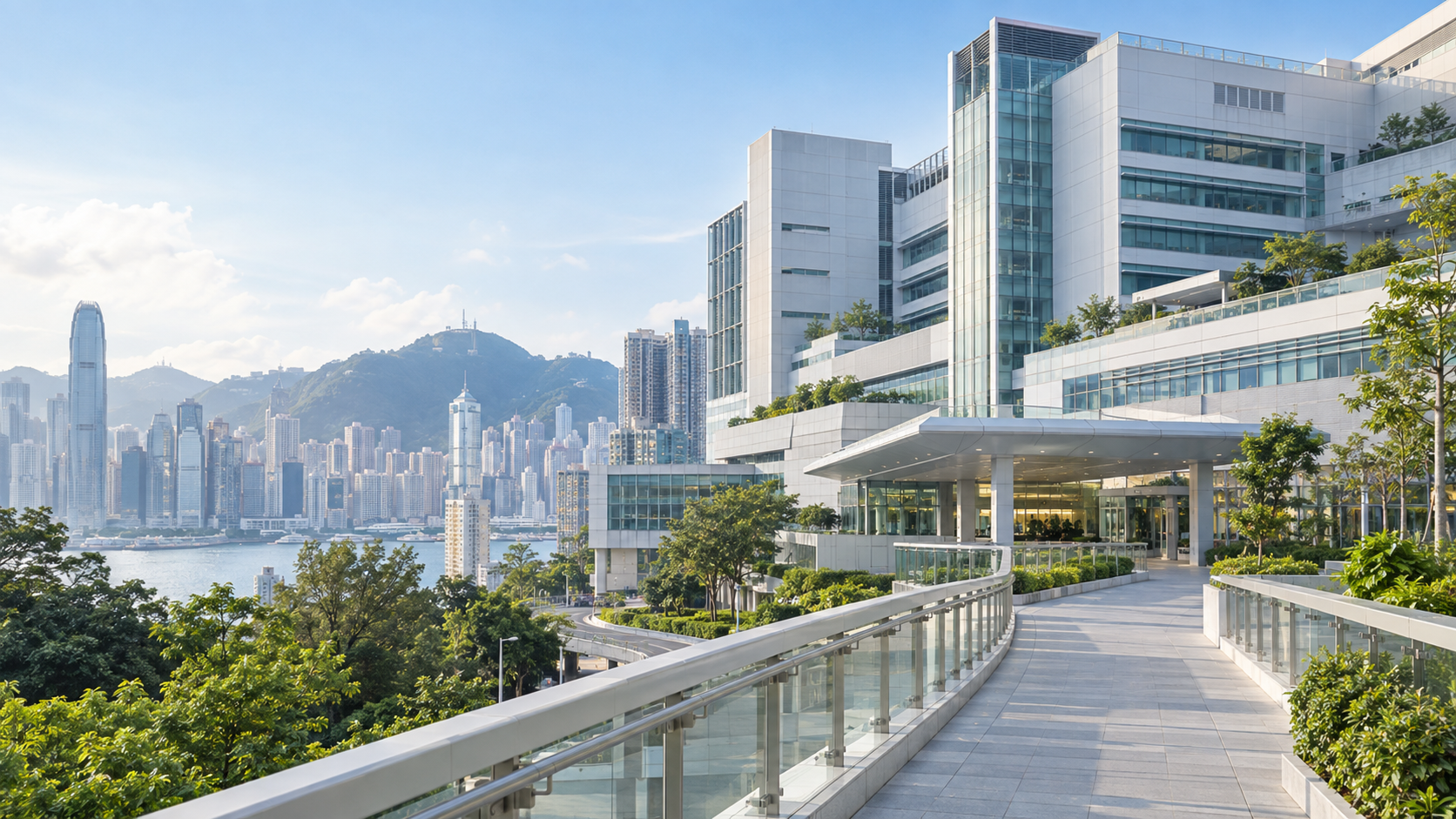
We visited the international medical service at Shenzhen Hyzen Hospital, whose Chinese name is Shenzhen Hezheng Hospital. Confirming those details matters. For an international patient, a mismatch between a Chinese name, English name, campus or department can lead to a missed appointment, a payment problem or travel to the wrong place.
At the hospital I met staff who could communicate with us in English. I also saw delivery robots in the corridors and automated systems used to move items around the building. Some images and records could be accessed through an in-hospital system and a QR code. The organisation felt efficient to me, but I treat those observations as one visit to one hospital, not as evidence that every facility in Shenzhen or across China works in the same way.
My 3T MRI took about 10 to 15 minutes
The scanner was described as a 3 Tesla, or 3T, MRI. Before anyone enters an MRI environment, the important issue is not how new the machine looks but whether screening is done properly. Staff need to know about pacemakers, aneurysm clips, cochlear implants, medicine pumps, neurostimulators, metal fragments and other implants. Jewellery, watches, phones and clothing that may contain metal must be dealt with according to the facility's instructions. If gadolinium contrast is planned, kidney disease, previous reactions and other relevant history should be discussed in advance.
My scan itself lasted around 10 to 15 minutes. Soon after I came out, the doctor brought the images up on a screen and talked us through them. Seeing my own brain so quickly was striking. Yet images being available on a screen does not necessarily mean that a formal radiology report, a complete clinical interpretation and a follow-up plan are all finished. For cross-border care, I would still ask for the formal report, the image files and a format that another clinician can review later.
What the doctor said about the old bleeding
I was nervous when the images appeared. The doctor did not describe the two sites from five years earlier as new active bleeding. He showed us an area at the old injury site that he described as a fluid-filled or cystic change that had developed as the earlier blood and damaged tissue resolved. The practical message I received that day was that there was no acute finding requiring panic and that the area could be monitored according to clinical need.
That explanation gave me real relief, but I do not translate it as saying that my brain is completely restored or that I never need to think about the injury again. An MRI by itself cannot explain every headache, visual field defect, mood change or speech problem. Nor can a brief conversation beside a screen replace a neurological examination, ophthalmic assessment or review of my old records. If my symptoms change, a clinician still needs to consider the images together with my history and current function.
The rehabilitation technology was impressive, but evidence still matters
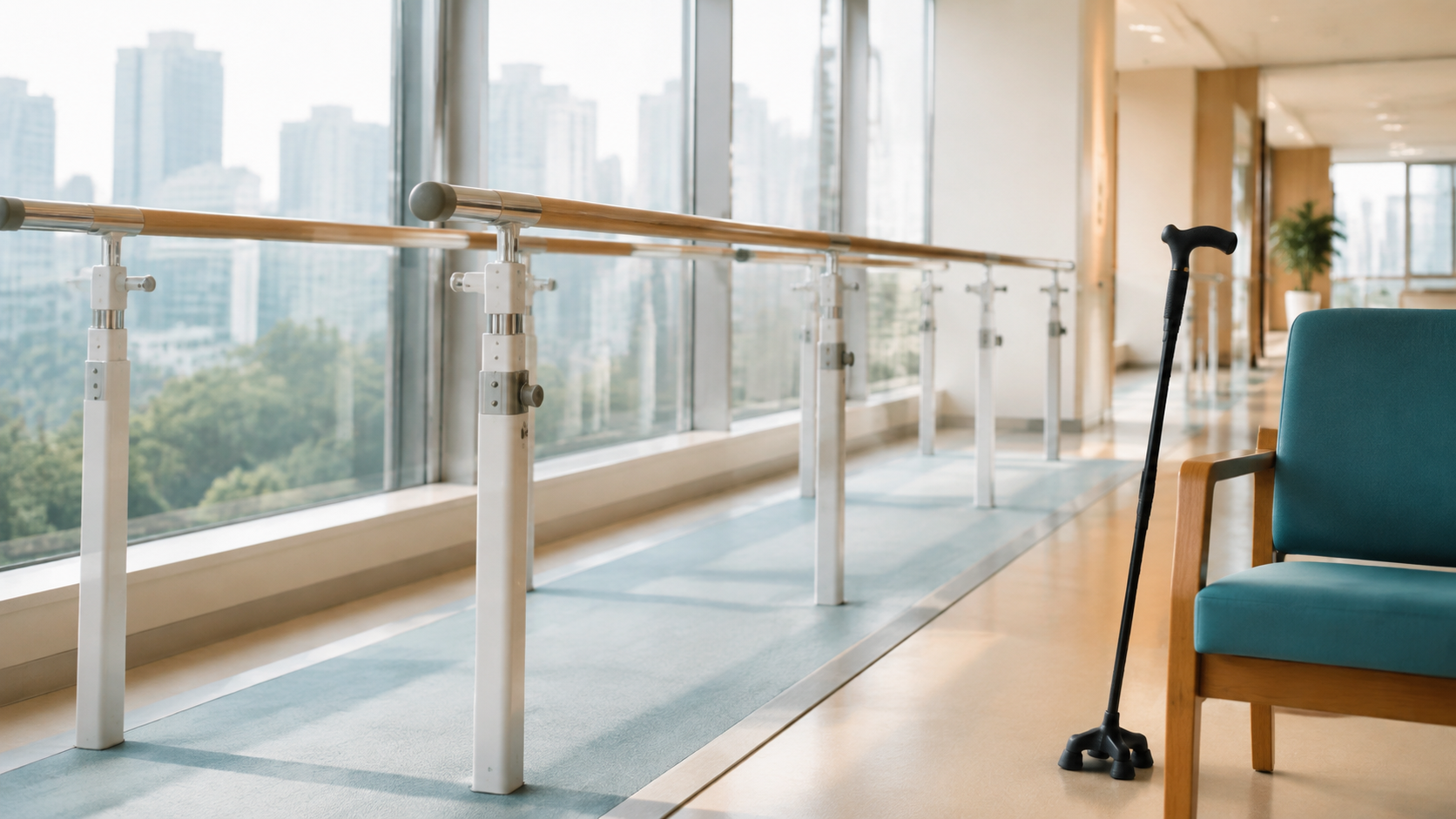
After the scan we toured the rehabilitation centre. I saw gait-training devices, equipment designed for different forms of limb rehabilitation and a large multi-person hyperbaric chamber that looked rather like a small submarine. A family member could sit inside while the patient received oxygen through a mask. From a patient's point of view, seeing sophisticated equipment can easily create an expectation that newer technology must mean faster recovery.
I later checked the evidence more carefully. Hyperbaric oxygen therapy has accepted uses, but it should not be presented as a universal way to repair stroke, eye disease or chronic brain injury. A U.S. Department of Veterans Affairs evidence review found that, for chronic mild traumatic brain injury, pooled trials did not show reliable short-term improvement over sham treatment, and durable benefit remained uncertain. Suitability for hyperbaric oxygen should be assessed by a properly qualified clinical team, with attention to the diagnosis, contraindications and risks. A tour of a chamber is not a reason to purchase a course of treatment.
The prices mentioned were a one-visit quote, not a tariff
During our visit we were told that a locally insured Chinese resident might, in some circumstances, pay around RMB 55 out of pocket, while an uninsured foreign patient could be quoted about RMB 2,000 for a self-funded brain MRI. These figures belong to the account recorded that day. I did not verify them as the hospital's current fixed tariff, and they should not be used as a general price for Shenzhen or for China.
The final bill can depend on whether the examination is non-contrast or contrast-enhanced, the contrast material, consultation and reporting charges, emergency or outpatient status, scanner protocols, public insurance eligibility, commercial insurance arrangements and the hospital campus. An international patient should request a written estimate before booking, ask exactly what it includes and check cancellation, rescheduling, image-copy and translation fees. Fast access and rapid image review were valuable parts of my experience, but they are not substitutes for checking the total cost, the clinician's credentials and the continuity plan.
What this follow-up actually gave me
The most valuable part of the day was not the label of a futuristic hospital. It was finally facing an injury that had changed my work, my sight and the way I communicate. When I left the MRI room, I had a limited but important form of reassurance: the doctor did not describe a new acute danger that day, while the old injury remained something to understand in the context of my history and to monitor when clinically appropriate. That is different from claiming a cure.
If I were advising another person considering overseas follow-up after a brain injury, I would suggest bringing all previous MRI images and reports; listing every implant, operation, medicine and allergy; confirming whether contrast, a neurology consultation or an interpreter is needed; obtaining portable images and a formal report; and deciding before travelling who will explain the results and provide follow-up at home. Sudden severe headache, new one-sided weakness, a sudden change in speech, seizures, altered consciousness or new visual loss should prompt urgent medical assessment rather than waiting for a travel appointment.
My Shenzhen MRI showed me how smooth modern imaging and hospital logistics can feel. It also reminded me that technology is most useful when it sits inside careful safety screening, expert interpretation and continuing care. For me, the honest result was not a sweeping statement that everything was perfect. It was a clearer understanding of where I stood and a better idea of which records to keep and which questions to ask next time.
This article shares a personal experience and general information only. It is not medical, diagnostic, treatment, insurance or medical-travel advice. Prices, coverage, equipment, language services and hospital procedures can change; verify current details in writing with the hospital and relevant authorities.

 2026-09-29