


 Categories



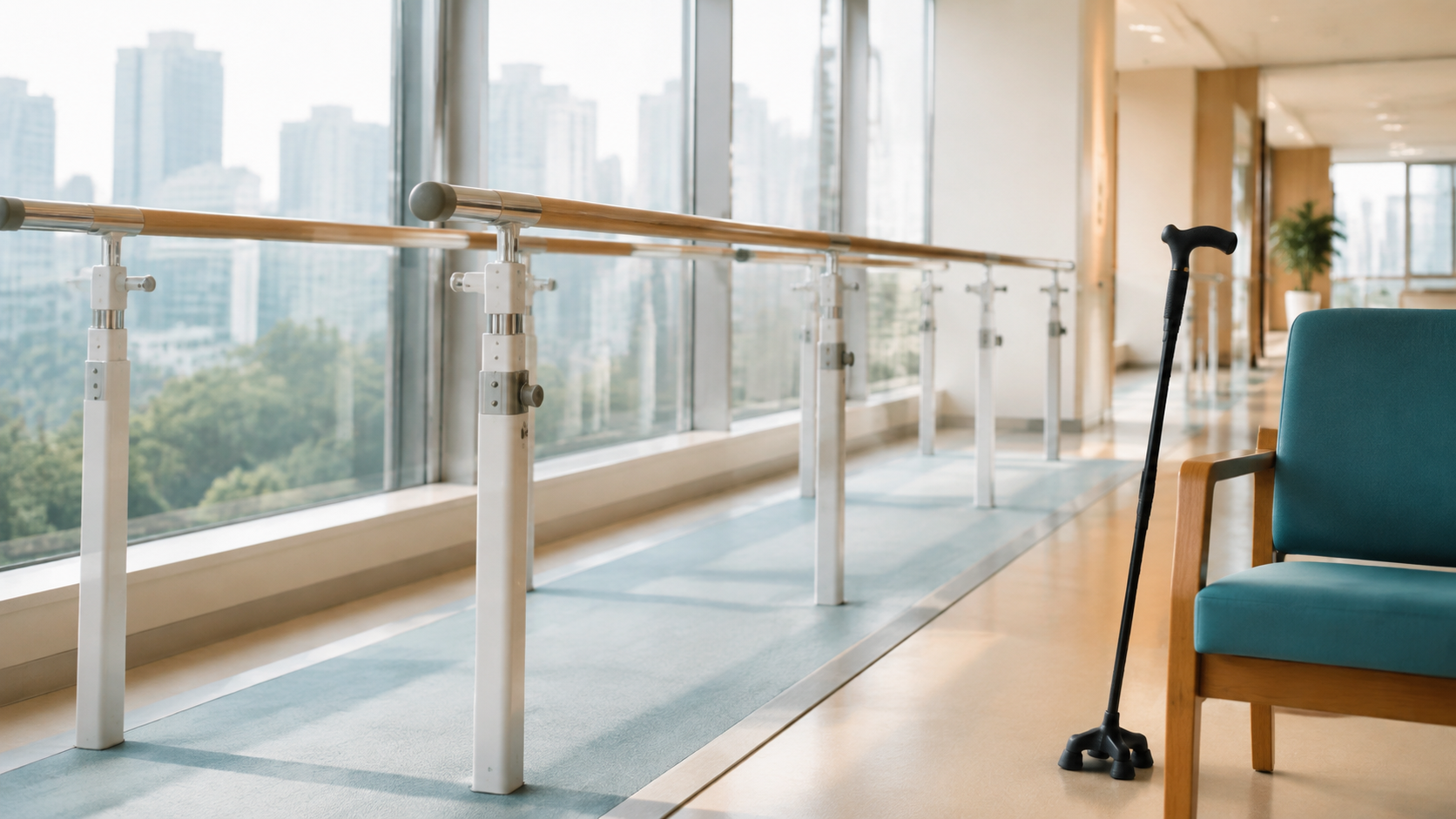

This practical guide uses the perspective of a European or North American patient to connect clinical appointments, recovery time, transport, accommodation and flexible sightseeing in one safer plan.
Start with a clear clinical goal
For someone travelling from Europe or North America, a medical trip to China is not simply a city break with an appointment added to it. Start by writing down what the trip is meant to achieve: a second opinion, a health check, a planned procedure, an inpatient stay, or a rehabilitation plan. A clear goal makes it easier to decide which dates are fixed and which activities can be dropped without creating stress.
Before booking flights, ask the hospital whether it reviews records from overseas, which files it needs, whether the first consultation must be in person, and what additional tests might be required after arrival. Put consultations, imaging, laboratory work, treatment, observation, discharge and follow-up in one clinical calendar. Note practical requirements such as fasting, medication instructions and original imaging files. A confirmed appointment date is useful; a complete pathway is much more useful.
Build the trip in three layers
Layer one is the non-negotiable clinical plan: appointments, tests, treatment, admission and discharge. Layer two is recovery and administration: sleep, waiting for results, translation, payment, insurance authorisation, prescriptions and possible changes. Layer three is flexible travel: museums, meals, local walks and activities for companions. Keeping these layers separate prevents one delayed test from collapsing the entire itinerary.
Mark clinical appointments as fixed, protect buffer days, and make sightseeing refundable or changeable wherever possible. Avoid a long train journey, a remote excursion or a return flight only a few hours after treatment. If the patient needs rest, a companion can take a short local outing instead. A good plan gives the patient options; it does not ask the patient to perform as a tourist while recovering.
Treat hotels, transport and payment as part of care
Choose accommodation by the real journey to the hospital, lift access, quietness, simple meals, laundry, extension options and cancellation terms—not only by proximity to attractions. Foreign visitors usually need a passport to check in. Ask in advance whether the hotel and hospital accept international cards, RMB cash, Alipay or WeChat Pay, because the available combination can differ from one provider to another.
Transport should match the patient’s energy on that day, not just the distance on a map. China’s government guide says foreign travellers can use a passport and the English 12306 website or app for certain rail bookings, while identity verification, payment, changes and refunds remain subject to current rules. Keep a separate medical reserve for deposits, tests, interpretation, extra nights and changed tickets. Do not spend the whole budget on non-refundable sightseeing.
Check entry, medicines and health requirements
Do not rely on a travel blog to decide whether an entry route fits a medical trip. China’s National Immigration Administration describes specific nationality, port, onward-ticket and permitted-area conditions for 24-hour and 240-hour visa-free transit. Travellers should confirm the intended medical activity and entry purpose with the relevant embassy or immigration authority and the hospital. A transit policy should not automatically be treated as permission for planned medical treatment.
Keep medicines in their original packaging with prescriptions or a doctor’s letter, and check whether they may be brought into China or obtained locally. The CDC advises travellers to review vaccines and medicines with a doctor at least a month before departure and to carry extra supplies for delays. Food, water, climate and infection precautions also matter, especially for people with chronic conditions or reduced immunity.
Know when sightseeing should stop
Severe or worsening pain, fever, breathing difficulty, persistent vomiting, bleeding, confusion, wound problems or a request from the clinical team to remain under observation are reasons to stop sightseeing and follow medical instructions. Do not leave because a ticket is paid for, a hotel is non-refundable or a flight is approaching. In China, emergency medical assistance is reached on 120. Save the hospital address, contact person and interpreter number in the phone and on paper.
Finishing a procedure does not automatically mean that a patient is fit for a long-haul flight. Ask the treating doctor about fitness to travel, check whether the airline requires a medical or fit-to-fly form, and ask the insurer about extended stays, admission and evacuation. Safe return travel is the final clinical milestone, not an afterthought at the end of a holiday.
Review records before deciding to travel
The remote stage can include a medical summary, original imaging, pathology, medication list and a focused question list. Ask the hospital whether it accepts international records and preliminary review. This helps a patient know what the visit is meant to resolve before buying a flight, rather than discovering after arrival that the file format or appointment is not suitable.
Physical examination, hospital-based laboratory work, repeat sampling, surgery, anaesthesia, interventional treatment and care requiring real-time observation usually need an in-person visit. Teleconsultation, prescriptions, imaging acceptance and visa letters vary by provider; one hospital’s process should not be presented as a universal rule.
Important reminder
This article provides general planning information and is not medical, visa, airline or insurance advice. Clinical services, immigration rules, transport, public holidays, prices and policy terms can change. Confirm current requirements with qualified clinicians, the hospital, the relevant authority, the airline and the insurer.
Sources
- National Health Commission: Outpatient Process for International Patients — National Health Commission of the People’s Republic of China
- UK Government: Medical Treatment in China — UK Foreign, Commonwealth & Development Office
- China National Immigration Administration: Visa-Free Transit Policy — National Immigration Administration of China

 2026-09-29